
.svg)
.svg)

There’s a moment in every healthcare facility professional’s career when the weight of the hospital building becomes real to them.
It’s not the weight of the physical building, the steel, the concrete, and the miles of piping running unseen behind walls and above ceilings. It’s the weight of responsibility. The awareness that everything inside that building, every patient, every clinician, every life-saving operation a patient undergoes, depends on the systems you maintain. Most people who enter the hospital don’t even know that this weight exists.
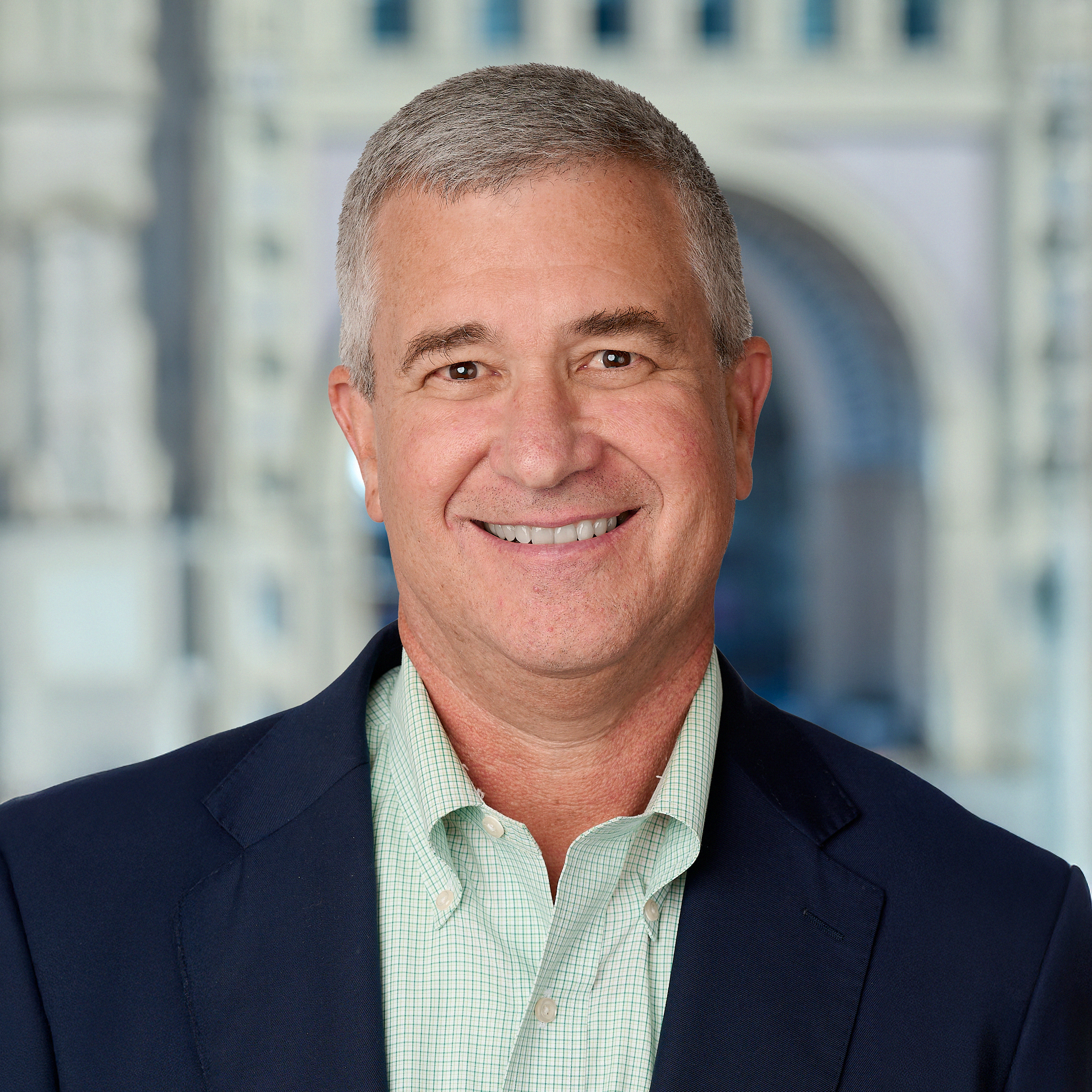
This is the realm in which Jeff O’Neil, Vice President of Plant Operations at Robert Wood Johnson University Hospital, RWJBarnabas Health, and leaders across PDC and facilities management operate.
In his conversation with the Healthcare Facilities Network, Jeff spoke from experience, the kind earned in boiler rooms, mechanical spaces, and nights when something breaks and there’s no one else to call. Jeff learned it while reviewing design drawings when he was coming up in the business, and by sitting in planning meetings.
“People don’t realize,” Jeff says, “this isn’t just about fixing things. This is about keeping a hospital running safely, continuously, and without interruption.”
In healthcare facilities management, failure isn’t an option.
More Than Maintenance
Jeff’s perspective cuts through one of the most persistent misconceptions in the industry: that facilities management is primarily reactive. Fix what’s broken. Respond when called. Stay behind the scenes. Avoid the limelight.
But the reality of the healthcare facilities professional is far more complex, strategic, and if you know where to look, or look for, visible. The role requires anticipation and pattern recognition. An in-depth understanding of how aging infrastructure, deferred maintenance, aging buildings, and operational pressures intersect; they are intrinsically tied, you cannot divorce one from the other.
“You’re always thinking ahead,” Jeff explains. “What could go wrong?” Where are we exposed? What haven’t we seen yet?”
Hospitals don’t get to close. They can’t pause, and they can’t hang a closed sign in their front lobby. Their systems must work, environments must remain compliant, and patient safety never be compromised. That creates a unique kind of pressure that Jeff acknowledges isn’t always visible to those outside the field.
The Invisible Stress of the Role
Healthcare facilities leaders operate in a space where success is often invisible. If everything works, no one notices. If something fails, everyone does. That pressure never ceases and can create persistent stress. It is part of the reason we see people leaving the discipline.
“You’re carrying a lot,” Jeff says. “Even when things are going well, you know what’s at stake.”
It’s the kind of stress that doesn’t show up in job descriptions or organizational charts. It lives in everyday activities, during inspections, during construction projects, during everyday operations where one overlooked detail can ripple into something much larger. This is the level of detail that defines the profession and defines the professionals who work successfully in the field.
A System Under Pressure
Jeff’s insights connect directly to the broader challenges facing healthcare facilities management today. Aging buildings. Aging infrastructure. And perhaps most critically, an aging workforce.
Experienced leaders like Jeff carry decades of knowledge with them, and many, like Jeff, give back to the field through their volunteer work with the American Society of Healthcare Engineering (ASHE). Despite these efforts, the industry is challenged with how to replace not just the people, but the expertise and knowledge they have accumulated over decades of healthcare experience.
As they depart, the absence of these professionals reveals a truth that is often difficult for the industry to acknowledge: Healthcare facilities management isn’t just operational, it’s foundational. Facilities are the literal and physical foundation that supports all the hospital does to enrich the community.
“It takes time to learn this,” he says. “You don’t just walk in and understand how a hospital operates.”
And therein lies the larger problem facing the discipline.
____________
The full conversation with Jeff can be viewed here